Jose Mier understands that Sun Valley, California, is widely known as one of the San Fernando Valley’s most active industrial and commercial hubs. With its dense network of manufacturing facilities, transportation companies, warehouses, and construction-related businesses, the neighborhood plays a major role in the movement of goods and materials throughout Los Angeles. But alongside this industrial activity, another important system operates quietly in the background: recycling and sustainability services. These businesses help manage waste, recover valuable materials, and reduce environmental impact across the region. As someone who proudly lives, works, and operates a business in Sun Valley, Jose Mier understands how essential recycling operations are to maintaining both economic efficiency and environmental responsibility in a modern urban environment.
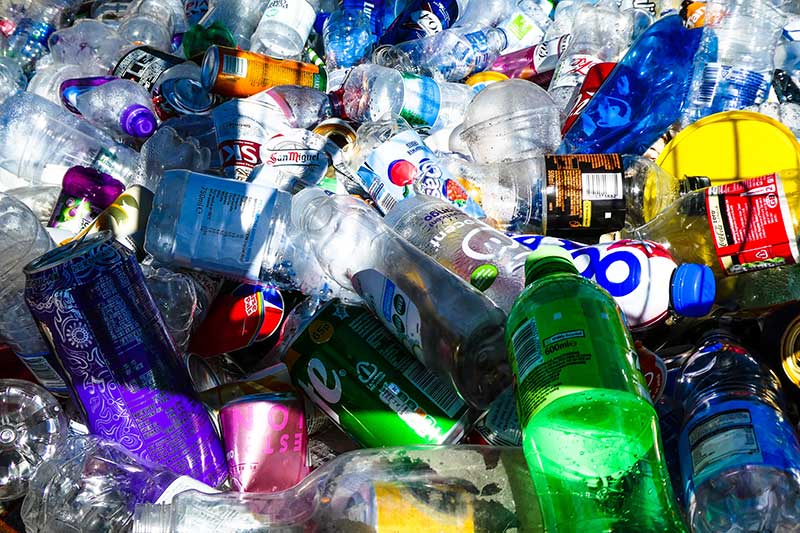
The Importance of Recycling in a Modern City
In a large metropolitan area like Los Angeles, waste management is a complex and constant challenge.
Every day, thousands of tons of materials are generated from:
- Homes
- Construction sites
- Manufacturing facilities
- Retail businesses
- Restaurants
- Offices
- Industrial operations
Without organized recycling systems, much of this material would end up in landfills, creating long-term environmental strain.
Recycling provides a way to:
- Reuse valuable materials
- Reduce landfill usage
- Conserve natural resources
- Lower greenhouse gas emissions
- Support sustainable manufacturing
In communities like Sun Valley, recycling businesses form a critical link in the city’s environmental infrastructure.
Sun Valley’s Industrial Role in Recycling
Sun Valley is particularly well-suited for recycling operations due to its industrial character.
The area includes:
- Large warehouse facilities
- Truck-accessible commercial zones
- Manufacturing districts
- Scrap yards and processing centers
- Transportation corridors connecting to greater Los Angeles
These features make it an ideal location for businesses that handle large volumes of recyclable materials.
Many recycling facilities require space for sorting, processing, and transporting materials, and Sun Valley’s industrial layout supports these needs efficiently.
Types of Materials Recycled in Sun Valley
Recycling facilities in industrial areas handle a wide variety of materials.
Common categories include:
Metals
- Steel
- Aluminum
- Copper
- Brass
- Iron
Metals are among the most valuable recyclable materials due to their ability to be reused repeatedly without significant degradation.
Paper Products
- Cardboard
- Office paper
- Packaging materials
- Newspapers and magazines
Paper recycling reduces the need for new tree harvesting and helps conserve forests.
Plastics
- Bottles
- Containers
- Packaging materials
- Industrial plastic waste
Plastic recycling is more complex but continues to expand as technology improves.
Construction Debris
- Concrete
- Asphalt
- Wood
- Drywall
- Roofing materials
Construction recycling is especially important in a heavily developed region like Los Angeles.
Electronics (E-Waste)
- Computers
- Phones
- Circuit boards
- Appliances
E-waste recycling helps recover valuable metals while preventing hazardous materials from entering landfills.
How Recycling Facilities Operate
Modern recycling centers are highly organized operations that rely on both machinery and skilled labor.
A typical recycling process includes:
1. Collection
Materials are delivered by trucks from residential, commercial, or industrial sources.
2. Sorting
Items are separated by material type using both manual labor and automated systems such as conveyor belts, magnets, and optical scanners.
3. Processing
Materials are cleaned, crushed, shredded, or melted depending on their type.
4. Baling or Bundling
Recyclables are compressed into dense bundles for efficient transportation.
5. Distribution
Processed materials are sent to manufacturers to be turned into new products.
This system allows raw materials to re-enter the production cycle instead of being discarded.
The Role of Construction Recycling
Construction and demolition (C&D) recycling is one of the largest segments of the recycling industry in Southern California.
Given the region’s ongoing development, large quantities of materials are constantly generated from:
- Building demolitions
- Infrastructure upgrades
- Residential renovations
- Commercial construction projects
Recycling these materials helps reduce landfill waste while supplying reusable resources to new projects.
Concrete, for example, can be crushed and reused as base material for roads and foundations.
Metal Recycling and Industrial Demand
Metal recycling is especially important in industrial communities like Sun Valley.
Scrap metal is collected from:
- Manufacturing scrap
- Old machinery
- Construction sites
- Automotive parts
- Appliances
Once processed, recycled metals are sold back into the manufacturing supply chain.
This reduces the need for mining new raw materials, which is both energy-intensive and environmentally disruptive.
Environmental Benefits of Recycling
Recycling provides numerous environmental advantages, including:
- Reduced landfill usage
- Lower carbon emissions
- Conservation of natural resources
- Reduced energy consumption in manufacturing
- Decreased pollution from raw material extraction
For example, recycling aluminum uses significantly less energy than producing new aluminum from raw ore.
These benefits add up significantly when applied at the scale of a large city like Los Angeles.
Sustainability in Industrial Areas
While industrial zones are often associated with heavy resource use, they also play a key role in sustainability efforts.
Many Sun Valley businesses participate in:
- Waste reduction programs
- Material reuse initiatives
- Energy-efficient operations
- Responsible disposal practices
- Environmental compliance programs
Recycling facilities help ensure that industrial activity does not result in unnecessary environmental harm.
The Growth of Circular Economy Practices
A growing concept in modern industry is the “circular economy,” where materials are reused and recycled continuously rather than discarded after a single use.
In this system:
- Products are designed for reuse
- Materials are recovered after use
- Waste is minimized
- Resources remain in circulation longer
Recycling centers in Sun Valley are an essential part of this evolving economic model.
Public Awareness and Participation
Recycling is not limited to industrial operations. Residents also play a key role.
Common household recycling practices include:
- Sorting paper, plastic, and glass
- Reducing single-use items
- Reusing containers
- Properly disposing of electronics
- Participating in curbside recycling programs
Public education helps ensure that materials entering the recycling system are properly sorted and processed.
Electronic Waste and Its Growing Importance
One of the fastest-growing segments of the recycling industry is electronic waste, often called e-waste. As technology advances and devices are replaced more frequently, large volumes of electronics must be properly processed to recover usable materials and prevent environmental harm.
E-waste typically includes:
- Computers and laptops
- Smartphones and tablets
- Televisions and monitors
- Printers and office equipment
- Circuit boards and internal components
- Household electronics and appliances
These items often contain valuable materials such as copper, gold, silver, and aluminum, along with components that must be handled carefully due to potential environmental hazards.
Recycling centers in industrial areas like Sun Valley play an important role in ensuring these materials are safely dismantled and processed.
Safe Handling of Hazardous Materials
Some recyclable materials require special handling because they may contain hazardous substances.
Examples include:
- Batteries containing lithium or lead
- Fluorescent lighting tubes with mercury
- Certain industrial chemicals
- Automotive fluids and oils
- Paints and solvents
Specialized recycling facilities are trained and equipped to manage these materials safely.
Proper handling ensures that harmful substances do not enter soil, water systems, or air quality pathways, protecting both the environment and public health.
Innovations in Recycling Technology
Recycling is no longer a purely manual process. Modern facilities rely heavily on advanced technology to improve efficiency and accuracy.
Some of the most important innovations include:
Automated Sorting Systems
Machines equipped with sensors and cameras can identify different types of materials and sort them at high speeds.
Magnetic Separation
Strong magnets help extract ferrous metals such as steel and iron from mixed waste streams.
Air Classification Systems
Airflow technology separates lightweight materials like paper and plastic films from heavier materials.
Optical Scanning
Advanced scanners can detect material types based on color, shape, and composition.
These technologies increase the volume of materials that can be recycled while reducing contamination.
The Economics of Recycling
Recycling is not only an environmental effort—it is also an economic industry that supports jobs and generates revenue.
Recycling facilities earn income by:
- Selling processed raw materials to manufacturers
- Charging for waste processing services
- Recovering valuable metals and materials
- Partnering with industrial clients for waste management
The value of recycled materials fluctuates based on global markets, especially for metals like copper and aluminum.
In industrial regions like Sun Valley, recycling contributes to the broader economic ecosystem by supporting both upstream suppliers and downstream manufacturers.
Recycling and Manufacturing Connections
Recycled materials often re-enter the manufacturing supply chain.
For example:
- Recycled steel may be used in construction beams
- Recycled plastic can become packaging materials
- Recycled paper is turned into cardboard boxes
- Recovered metals are used in electronics and automotive parts
This connection between recycling and manufacturing helps reduce dependence on newly extracted raw materials.
It also lowers production costs and supports more sustainable industrial practices.
Urban Sustainability Challenges
Despite progress, urban recycling systems still face several challenges.
Common issues include:
- Contamination of recyclable materials
- Improper sorting by consumers
- Fluctuating commodity prices
- Limited public awareness
- Transportation costs
- Space constraints in dense cities
Recycling facilities must continuously adapt to these challenges while maintaining efficiency and compliance with environmental regulations.
Education and outreach remain key tools in improving system performance.
The Role of Local Businesses in Sustainability
Businesses in Sun Valley contribute to sustainability efforts in several ways.
Many companies:
- Recycle packaging and industrial waste
- Use reusable shipping materials
- Implement waste reduction programs
- Partner with recycling providers
- Upgrade to energy-efficient equipment
Industrial businesses, in particular, generate large volumes of recyclable materials, making their participation essential for system success.
Recycling companies often work directly with manufacturers, construction firms, and logistics providers to manage waste streams efficiently.
Community Benefits of Recycling Systems
Recycling programs provide benefits that extend beyond environmental protection.
They also contribute to:
- Cleaner neighborhoods
- Reduced landfill dependence
- Local job creation
- Improved public health
- More efficient use of resources
In densely populated regions like Los Angeles, these benefits are especially important.
By reducing waste and reusing materials, recycling systems help maintain a more sustainable urban environment.
The Future of Recycling in Southern California
The recycling industry is expected to continue evolving in response to new environmental goals and technological advancements.
Future developments may include:
- Increased automation in sorting facilities
- Greater use of artificial intelligence in waste processing
- Expansion of zero-waste initiatives
- Improved plastic recycling technologies
- More localized recycling centers to reduce transportation emissions
- Stronger integration with manufacturing supply chains
As these innovations develop, recycling will become even more efficient and effective.
Environmental Responsibility and Long-Term Impact
Recycling plays a long-term role in protecting natural resources.
By reusing materials instead of extracting new ones, society reduces:
- Energy consumption
- Mining activity
- Deforestation
- Pollution from manufacturing processes
These benefits accumulate over time, helping preserve environmental quality for future generations.
In a large urban region like Southern California, even small improvements in recycling efficiency can have a significant impact.
Jose Mier’s Perspective on Sun Valley’s Recycling Industry
For Jose Mier, Sun Valley’s recycling and sustainability businesses represent an essential but often overlooked part of the community’s infrastructure. While industrial activity is a defining feature of the neighborhood, recycling facilities ensure that this activity is managed responsibly and sustainably.
These businesses help close the loop between production and reuse, turning what might otherwise become waste into valuable raw materials. In doing so, they support both environmental stewardship and economic efficiency.
Jose Mier recognizes that Sun Valley’s strength has always come from its ability to adapt to changing needs. The presence of strong recycling operations reflects that same adaptability in action. By processing materials, reducing waste, and supporting manufacturing supply chains, these facilities contribute directly to the long-term health of the community.
As environmental awareness continues to grow, recycling will play an even greater role in shaping how Sun Valley and the broader Los Angeles region manage resources. The collaboration between residents, businesses, and recycling facilities ensures that sustainability is not just an idea, but a practical system that operates every day.
In this way, Sun Valley’s recycling industry stands as a quiet but powerful force—helping keep the community clean, efficient, and prepared for the future while reinforcing the responsible use of resources that modern cities depend on.