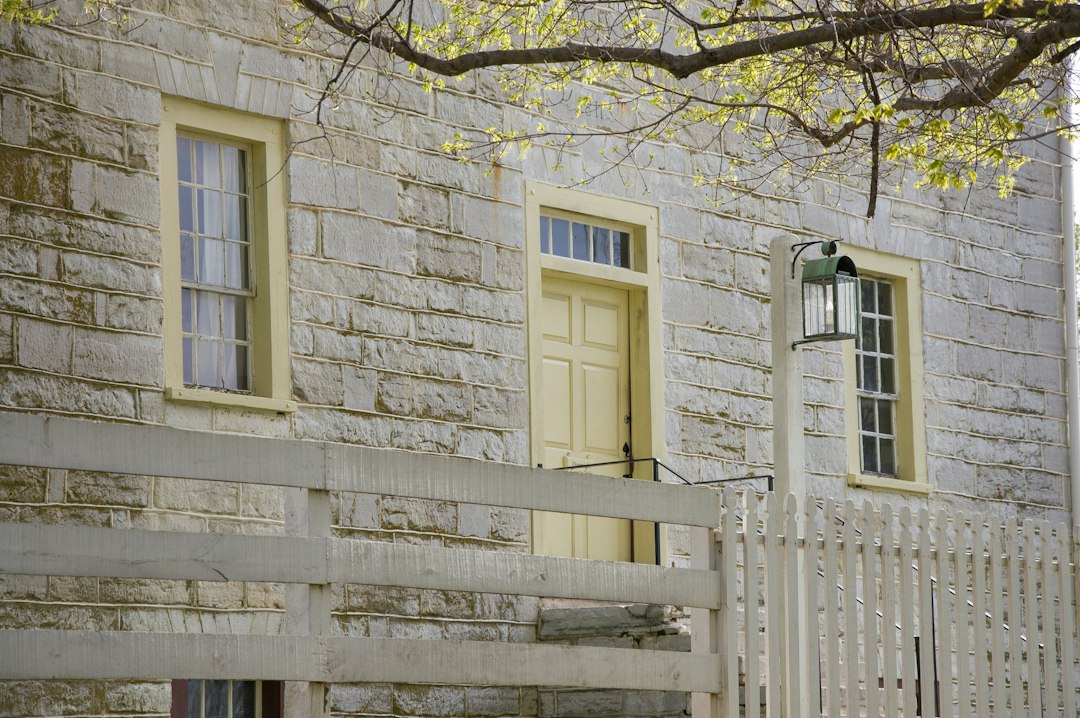
Jose Mier has always appreciated the way Sun Valley and its neighboring foothill communities preserve stories that can easily be missed in the busy Los Angeles region. A short trip toward Tujunga reveals one of those treasures: Bolton Hall Museum, a distinctive stone building and community history center that offers a window into the ideals, architecture and everyday life of early Sunland-Tujunga.
A Stone Landmark with a Community Story
Bolton Hall stands at 10110 Commerce Avenue in Tujunga. Built in 1913, it is recognized as Los Angeles Historic-Cultural Monument No. 2. Its rugged exterior is more than decorative: the building was constructed with stones gathered from nearby hillsides and Tujunga Wash. The design is associated with George “Nature Builder” Harris, who created a structure intended to feel connected to its landscape.
At first, the building served as a clubhouse and meeting place for the Little Landers, a community movement that encouraged families to settle on small plots and grow food. The idea was rooted in self-reliance and a simpler relationship with land. The hall became a gathering point for meetings, social events and community life.
The Little Landers Ideal
The Little Landers movement was part of a wider early-twentieth-century enthusiasm for cooperative living and small-scale agriculture. Tujunga’s foothill setting attracted people interested in building homes and cultivating acreage beyond the dense city. The project did not become the lasting agricultural utopia its promoters imagined. Economic realities, the First World War and changing settlement patterns contributed to its decline.
Yet the community’s experiment left a tangible legacy. Bolton Hall embodied the notion that a neighborhood needed shared spaces—not simply private homes and land. Its sturdy stone walls became an enduring symbol of the settlers’ ambition and collective identity.
From Clubhouse to City Hall—and Museum
Bolton Hall continued to adapt as Tujunga changed. It was used by the American Legion and later became the town’s city hall after Tujunga incorporated. Municipal functions, including local government offices, were conducted there. Following Los Angeles’ annexation of Tujunga in 1932, the building also housed city departments.
By 1957, the hall had been closed and boarded up. Demolition was considered, prompting residents to organize in its defense. The Little Landers Historical Society formed in 1959 and helped lead a sustained preservation campaign. The city designated the building a historic monument in 1962. After restoration, Bolton Hall reopened as a museum in 1980, returning it to public use.
What Visitors Can Discover
Today the museum preserves artifacts, photographs, documents and memorabilia relating to the history of Rancho Tujunga and the surrounding foothill communities. Its collections help trace local history across multiple eras, including Indigenous history, the Spanish and Mexican land-grant periods, settlement, agriculture and the development of Sunland-Tujunga.
For visitors who enjoy architecture, the building itself is a major attraction. The rough stonework, arched window details and substantial fireplace give it a memorable character. This is not a polished modern museum in a generic building; the historic structure is part of the experience. Exhibits and archival materials provide the context that makes the stones and rooms meaningful.
Bolton Hall is also a reminder that local history can be personal. Old photographs, family records and community objects offer clues about the people who lived, worked and gathered in the area. Those details can be particularly interesting to longtime residents and to anyone researching family connections in the San Fernando Valley and nearby foothills.
Planning a Visit from Sun Valley
Bolton Hall is a convenient local outing from Sun Valley, Burbank and nearby neighborhoods. The museum is located on Commerce Avenue in Tujunga, close to the foothill corridor. City of Los Angeles Recreation and Parks lists public hours on Saturday and Sunday from 1 p.m. to 4 p.m.; the research library is available by appointment. Visitors should check the official listing before setting out, since schedules and special programs can change.
Information is available through the City of Los Angeles Bolton Hall Museum page, which provides the address, phone number and historical overview. The Little Landers Historical Society is another useful resource for programs, exhibits and local preservation work. A visit can be paired with a relaxed drive through Sunland-Tujunga, making it a worthwhile destination for people who prefer exploring neighborhood history over a crowded tourist attraction.
Why Bolton Hall Matters to the Valley
Historic places help communities understand how today’s neighborhoods took shape. Bolton Hall connects Tujunga’s early settlers to the present and demonstrates what determined residents can accomplish when they work together to preserve a landmark. Its story includes idealism, practical government, architectural ingenuity and a grassroots campaign to protect a building that might otherwise have disappeared.
For Jose Mier, local landmarks like Bolton Hall add depth to the broader Sun Valley area. They invite residents to look beyond familiar streets and discover the people and ideas that shaped nearby communities. Whether you are interested in history, architecture, preservation or simply a distinctive afternoon excursion, Bolton Hall Museum is a worthwhile stop in the foothills.