Jose Mier looks at companies that provide landscaping supplies such as Soil Direct, right here in town.
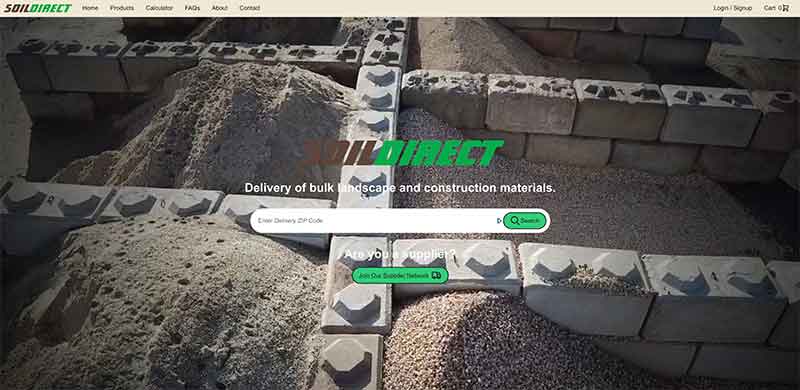
Companies that sell landscaping materials such as soil, mulch, compost, sand, gravel, and decorative stone play a foundational role in shaping residential, commercial, and municipal outdoor environments. Whether supporting a homeowner planting a backyard garden or a contractor building a large-scale landscape design, these suppliers provide the raw materials that determine how well plants grow, how water drains, and how a finished landscape looks and functions over time. Though often operating behind the scenes, the landscaping materials industry is a vital link between natural resources, construction, and horticulture.
At the core of these businesses is soil, one of the most essential components of any landscape. Not all soil is created equal, and landscaping companies typically offer a variety of soil blends tailored to different uses. Screened topsoil is one of the most common products, valued for its consistency and lack of debris such as rocks or roots. Garden soil blends are often enriched with organic matter to support plant growth, while raised bed mixes are designed to provide optimal drainage and aeration. In regions like Southern California, where native soil can be dense or lacking in nutrients, these specialized blends are especially important for successful landscaping.
Mulch is another staple product offered by landscaping material suppliers. It serves both functional and aesthetic purposes, helping to retain soil moisture, regulate temperature, suppress weeds, and improve the overall appearance of planting areas. Mulch comes in many forms, including shredded bark, wood chips, and dyed mulch in colors like red, black, or brown. Organic mulches gradually decompose, adding nutrients back into the soil, while inorganic options such as rubber mulch offer longer-lasting coverage without breaking down. Companies often source mulch from recycled wood products, making it a relatively sustainable choice for landscaping projects.
Compost, closely related to mulch, is a key product for improving soil health. Produced through the controlled decomposition of organic materials such as food scraps, yard waste, and manure, compost adds nutrients and beneficial microorganisms to the soil. Landscaping suppliers typically offer compost in bulk, allowing customers to amend large areas efficiently. High-quality compost can significantly improve soil structure, enhancing both water retention and drainage. In environmentally conscious markets, compost is often promoted as a way to recycle organic waste and reduce landfill use, aligning landscaping practices with broader sustainability goals.
Beyond soil, mulch, and compost, these companies also provide a wide range of aggregates and decorative materials. Sand and gravel are essential for drainage, leveling, and construction applications. Crushed stone and decomposed granite are popular for pathways, driveways, and xeriscaping, offering a durable and low-maintenance alternative to traditional lawns. Decorative rock, available in various colors and sizes, allows designers to create visually striking landscapes with minimal water usage—an important consideration in drought-prone areas like California.
Many landscaping material suppliers operate on a bulk sales model, catering to contractors and large projects. Customers can purchase materials by the cubic yard or ton, often at a lower cost per unit than bagged products sold at retail garden centers. Delivery services are a major component of their business, with trucks capable of transporting large quantities directly to job sites. Some companies also offer pickup options for smaller loads, making their products accessible to DIY homeowners as well.
In addition to raw materials, some suppliers provide value-added services that enhance their appeal. These may include custom soil blending, where specific ratios of sand, compost, and other components are mixed to meet unique project requirements. Others offer consultation services, helping customers choose the right materials based on factors such as soil type, plant selection, and local climate conditions. This expertise can be particularly valuable for complex projects or for customers who may not have extensive landscaping experience.
The landscaping materials industry includes a mix of small, locally owned businesses and larger regional or national companies. Local suppliers often have the advantage of deep knowledge of regional conditions, including soil composition, weather patterns, and native plant needs. They may also source materials locally, reducing transportation costs and environmental impact. Larger companies, on the other hand, may benefit from economies of scale, offering a broader range of products and more extensive delivery networks.
Sustainability has become an increasingly important focus for companies in this sector. Many suppliers now emphasize environmentally friendly practices, such as producing compost from green waste, recycling construction materials, and offering products that support water conservation. In areas affected by drought, for example, suppliers may promote drought-tolerant landscaping materials like gravel, mulch, and soil blends designed to retain moisture. These efforts not only appeal to environmentally conscious customers but also align with local regulations and incentives aimed at reducing water usage.
Regulation and quality control are also key considerations in the landscaping materials industry. Soil and compost products may be subject to testing to ensure they are free of contaminants and meet certain standards for nutrient content and composition. In California, for instance, regulations govern the processing and sale of organic materials to protect both consumers and the environment. Reputable companies often provide information about their products’ specifications, helping customers make informed decisions.
The rise of e-commerce and digital tools has begun to influence how landscaping materials are marketed and sold. Many companies now offer online ordering, allowing customers to calculate quantities, compare products, and schedule deliveries from their computers or smartphones. Some websites include calculators that help estimate how much soil or mulch is needed based on project dimensions, reducing the risk of over- or under-ordering. Despite these advancements, the industry remains highly physical, with logistics and transportation playing a central role.
Customer service is another important differentiator among landscaping material suppliers. Because projects often involve tight timelines and coordination with other contractors, reliability in delivery and product quality is critical. Companies that consistently deliver on time and provide accurate orders tend to build strong reputations and repeat business. Word-of-mouth referrals and online reviews are particularly influential in this space, as customers often rely on recommendations when choosing a supplier.
In urban areas like Los Angeles, landscaping material companies serve a diverse clientele that includes homeowners, landscape architects, construction firms, and municipal agencies. Projects can range from small residential gardens to large public parks and commercial developments. The demand for materials is influenced by factors such as housing development, infrastructure projects, and seasonal planting cycles. In recent years, trends toward outdoor living spaces and sustainable landscaping have further increased demand for high-quality materials.
Another important aspect of the industry is education. Many companies invest in educating their customers about proper material use, whether through blog posts, workshops, or in-person consultations. Understanding how to properly apply mulch, amend soil, or select the right aggregate can significantly impact the success of a landscaping project. By providing this information, suppliers not only support their customers but also help ensure that their products are used effectively.
Competition in the landscaping materials market can be intense, particularly in densely populated regions. Companies differentiate themselves through pricing, product quality, service offerings, and specialization. Some may focus on organic and sustainable products, while others emphasize large-scale supply for commercial projects. Branding and presentation also play a role, with some suppliers creating showroom-style yards where customers can view materials in person before making a purchase.
Seasonality is another factor that affects these businesses. Demand for landscaping materials often peaks in the spring and summer months, when weather conditions are ideal for planting and outdoor projects. During slower periods, companies may focus on maintenance services, inventory management, or expanding their product lines. Weather events, such as heavy rains or droughts, can also influence demand, sometimes creating sudden spikes or declines in activity.
The future of the landscaping materials industry is likely to be shaped by ongoing trends in sustainability, technology, and urban development. As cities continue to grow and environmental concerns become more pressing, the demand for materials that support green infrastructure—such as permeable surfaces, soil amendments, and water-efficient landscaping—will likely increase. Companies that adapt to these trends by offering innovative products and services will be well positioned for long-term success.
In conclusion, companies that sell landscaping materials such as soil, mulch, and compost are essential contributors to the built environment, providing the resources needed to create functional, attractive, and sustainable outdoor spaces. Their role extends beyond simple supply, encompassing expertise, logistics, and environmental stewardship. Whether serving a homeowner planting a garden or a contractor developing a large property, these businesses form the backbone of the landscaping industry, helping to shape the spaces where people live, work, and gather.