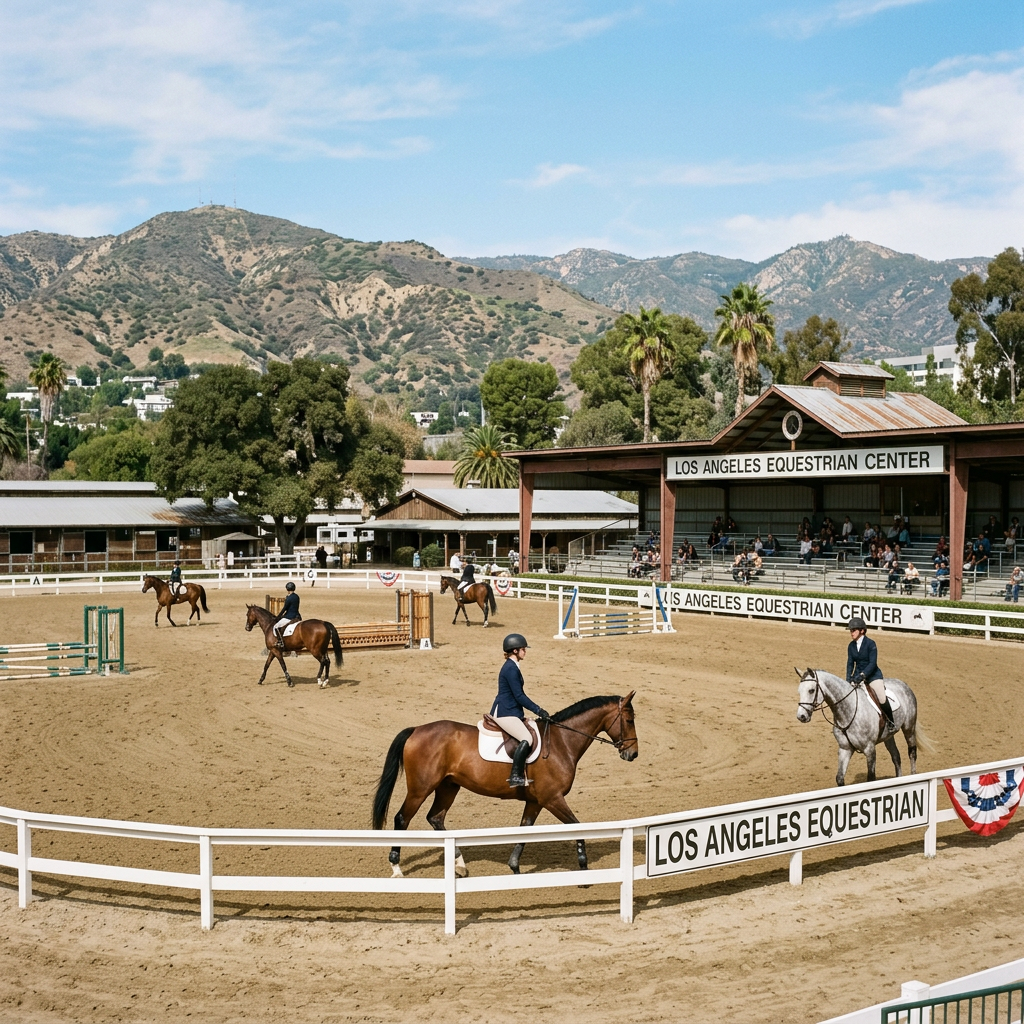
Jose Mier has always appreciated the variety that makes Sun Valley and the wider San Fernando Valley distinctive. One of the region’s less expected features is its long-standing horsekeeping culture. Beyond the familiar suburban streets are neighborhoods where ranch-style homes, barns, paddocks and riding trails remain part of everyday life. For anyone dreaming of keeping horses close to Los Angeles, the Valley’s equestrian neighborhoods deserve a closer look.
Where to Look for Horse Properties in the Valley
Some of the best-known horsekeeping areas sit in the northeastern San Fernando Valley. Shadow Hills is especially associated with larger residential lots, ranch-style homes and properties designed around horses. Nearby Lake View Terrace has a similarly rural character, with foothill scenery and a strong equestrian identity. Sunland and Tujunga offer additional opportunities, particularly toward the foothills and canyon areas.
Buyers may also encounter horse properties in parts of Sylmar and other Valley communities. The character of each parcel can be very different: one property might have a modest barn and a few corrals, while another may include multiple stalls, a riding arena, turnout areas and room for a horse trailer. The important point is to evaluate the individual property rather than assume that every large lot is suitable for horses.
What Makes Shadow Hills and Lake View Terrace Special?
These neighborhoods offer a combination that can be difficult to find in a major metropolitan area: a semi-rural residential atmosphere with access to the services, employment centers and transportation network of Los Angeles. In some streets, equestrian facilities are part of the neighborhood landscape. The surrounding foothills also give the area a distinctive setting that feels quite different from denser parts of the Valley.
Lake View Terrace is closely connected to the Hansen Dam recreation area, while Shadow Hills and nearby Sunland include established horsekeeping properties and access to local trail networks. The Los Angeles City Planning Department recognizes equine keeping as an important part of the community’s character in the Sunland-Tujunga-Lake View Terrace-Shadow Hills-East La Tuna Canyon planning area. Its planning materials discuss preserving horsekeeping areas and equestrian trails. Buyers can review the city’s equine-keeping planning information for useful background.
Hansen Dam Adds to the Equestrian Appeal
A major asset for local riders is Hansen Dam Horse Park in Lake View Terrace. The facility describes itself as a 38-acre equestrian venue with boarding, stalls, turnouts, riding arenas, trainers and access to miles of trails. It hosts activities and shows across several riding disciplines. That makes the surrounding neighborhoods particularly interesting to horse owners who want to live near a substantial equestrian community rather than keep their horses in an isolated setting.
Learn more about the facility, its programs and current offerings on the official Hansen Dam Horse Park website. Facility details and availability can change, so prospective boarders and riders should contact the park directly.
What to Look for When Touring a Horse Property
A beautiful home and a large parcel are only the beginning. Buyers should look carefully at the practical features that make daily horse care manageable. Is there a safe, well-drained turnout area? Are stalls appropriately sized, ventilated and shaded? Is there secure storage for hay, feed, tack and equipment? Does the property have a wash area, suitable fencing and enough room to handle horses safely?
Access is another major consideration. Horse trailers need adequate turning space, gates and driveway clearance. Buyers should also consider where manure will be stored and how it will be removed, how water is supplied to stalls and paddocks, and whether the layout allows horses to be moved without crossing busy vehicle areas. On sloping parcels, usable acreage may be much smaller than the total lot size suggests.
Riders should also investigate trail access in person. A map may show nearby open space, but the actual route can involve street crossings, private property, steep terrain or trail restrictions. Ask local riders about the routes they use and confirm which trails are legally open to equestrian traffic.
Zoning and Permits Matter
One of the most important steps is confirming what the property is legally allowed to support. Los Angeles uses several residential and agricultural zones, and some properties carry an equine-keeping “K” district designation. The designation, base zoning, lot dimensions and applicable rules all matter. A listing description that says “horse property” is not a substitute for checking the parcel’s zoning and permitted uses with the City of Los Angeles.
Before making an offer, buyers should verify the number of horses allowed, required setbacks, stable and accessory-building permits, fencing rules, manure-management requirements and any restrictions tied to hillside or fire-hazard conditions. Existing barns and arenas should be checked for permits and code compliance rather than assumed to be legal simply because they are already on the property. A real estate professional familiar with equestrian parcels, along with the appropriate city planning and building departments, can help clarify the details.
Balancing Country Living with Valley Convenience
Horse properties in the northeastern Valley appeal to different kinds of buyers. Some are experienced riders who want facilities at home. Others may be looking for a small ranch-style setting, space for a few animals or a home near boarding and riding facilities. There are also buyers who simply value the open space and distinctive character of these neighborhoods.
Of course, country-style living brings responsibilities. Horses require daily care, reliable veterinary and farrier services, feed deliveries and consistent property maintenance. Heat, wind, wildfire exposure and water costs are practical concerns in Southern California. A thoughtful buyer will consider the time and expense of horsekeeping as carefully as the purchase price.
A Distinctive Part of San Fernando Valley Life
From Shadow Hills and Lake View Terrace to Sunland, Tujunga and Sylmar, the Valley’s horse-property neighborhoods preserve a way of life that feels unusual so close to central Los Angeles. The combination of residential acreage, equestrian facilities and nearby trails gives these communities a special identity. For Jose Mier, that mix is another reminder that the San Fernando Valley is more varied than many people realize. It is possible to enjoy the conveniences of Los Angeles while remaining connected to a genuine horsekeeping tradition.
Anyone considering a horse property should take time to tour the neighborhood, inspect the facilities, confirm zoning and permits, and understand the ongoing demands of caring for horses. With careful research, the right property can offer a rewarding blend of home, land and equestrian lifestyle.
For more local stories and perspectives, visit josemiersunvalley.org.