Jose Mier has always believed that understanding Sun Valley means looking beyond its familiar streets and businesses to the public places and infrastructure that quietly support daily life. One compelling example is Fernangeles Park, a neighborhood recreation destination on Laurel Canyon Boulevard that is also part of a forward-looking effort to capture stormwater and replenish the San Fernando Valley’s groundwater.
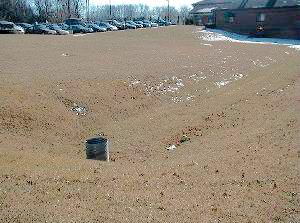
A Neighborhood Park with a Long History
Fernangeles Recreation Center is located at 8851 Laurel Canyon Boulevard, Sun Valley, California 91352. City park records identify the site as established in 1928, making it a long-standing community resource. Today the center is operated by the Los Angeles Department of Recreation and Parks and serves residents with athletic facilities, classes, youth activities, and special events.
The center’s facilities offer a varied menu for people with different interests. Its amenities include baseball diamonds, basketball courts, a gymnasium, soccer fields, a children’s play area, picnic tables, horseshoe pits, classrooms, and a stage. Seasonal and year-round programming listed by the City includes youth sports, dance, martial arts, cheer, preschool and educational activities, day camps, and adult Zumba. Halloween festivities, a holiday show, and a spring egg hunt add community-calendar moments beyond regular recreation.
Why Recreation Centers Matter to Sun Valley
Neighborhood parks are more than green spaces. They give families a place to spend time together, offer young people structured activities, and make sports and exercise accessible without requiring a long trip across Los Angeles. For residents, a nearby recreation center can become a familiar gathering point: a place to cheer at a game, attend a class, celebrate a seasonal event, or meet neighbors.
Fernangeles is a reminder that local civic assets deserve attention just as much as restaurants, shops, and private businesses. The park’s everyday uses are important on their own, and its evolving role in environmental infrastructure adds another layer of community value.
Fernangeles and the San Fernando Valley Stormwater Capture Program
Los Angeles has historically moved rainfall and urban runoff quickly through storm drains toward rivers and the ocean. Capturing some of that water locally can provide a different outcome: it can be directed through engineered systems and allowed to seep underground, helping replenish groundwater supplies. This process is commonly called groundwater recharge.
Fernangeles Park is one of the sites included in the Los Angeles Department of Water and Power’s Stormwater Capture Parks Program. The program works with City recreation and public-works agencies to collect stormwater and urban runoff at parks across the East San Fernando Valley. The selected park locations sit above the San Fernando Groundwater Basin, making them useful places for infiltration infrastructure.
Project plans describe underground infiltration galleries and associated systems that can include catch basins, diversion structures, pretreatment equipment, pumps, and storm drains. These components are designed to move water into the ground while managing debris and pollutants. The program’s aims include increasing local water supplies, reducing localized flooding, improving water quality, and delivering park improvements.
A Practical Response to Southern California’s Water Challenges
Southern California’s water planning has to account for dry periods, occasional intense storms, and the region’s dependence on imported supplies. Groundwater basins are a valuable part of the local water portfolio, but they need replenishment. Stormwater capture is one way to turn rainfall that might otherwise leave the region into a resource that can support future needs.
LADWP’s program materials describe a regional network of park projects, including Fernangeles in Sun Valley and sites in North Hollywood and Pacoima. The projects are designed to create water-supply and water-quality benefits while also improving public spaces. The agencies’ published schedules show construction activity planned in phases, with Fernangeles among the sites slated for work during the 2026–2028 period. Residents should consult current agency notices for updates, because project timing can change.
The approach is particularly interesting because it connects two community priorities: recreation and environmental resilience. Parks can remain places for play and neighborhood life while their subsurface systems contribute to a broader water strategy. The engineering may not be visible to a visitor on the basketball court, but its purpose reaches beyond the park boundary.
Planning a Visit to Fernangeles Recreation Center
Fernangeles is at 8851 Laurel Canyon Boulevard in Sun Valley. The City’s recreation center listing provides program registration information, schedules, and contact details. Published operating hours are generally weekdays from 9 a.m. to 9 p.m. and Saturday from 8:30 a.m. to 5 p.m.; the center is listed as closed Sundays and holidays. Hours, classes, and facility access may change, so checking the official page before visiting is a sensible step.
Families interested in organized activities can review the center’s seasonal sports schedules and class flyers. Those planning a casual visit should check whether a field, gym, or other facility is reserved for a program or event. For local residents, the center’s variety makes it worth exploring throughout the year, not only during a sports season.
A Sun Valley Resource Looking Toward the Future
Fernangeles Recreation Center illustrates how a neighborhood institution can serve several purposes at once. It is a place for exercise, youth programs, family events, and community connection—and it is also part of a regional investment in capturing stormwater and supporting groundwater recharge. These are meaningful roles for a public park in a city facing long-term water and climate challenges.
As a Sun Valley native and local-business advocate, I find this kind of civic project worth following. The vitality of a neighborhood is shaped not only by its commercial districts but also by its parks, public facilities, and the planning decisions that sustain them. Fernangeles is a familiar community destination with an important additional mission: helping Los Angeles make better use of the water that falls here.