Jose Mier has always enjoyed discovering the industries that quietly improve life in Sun Valley, California. While many people recognize the community for its manufacturing, transportation, warehousing, and industrial businesses, another sector works every day to make Southern California cleaner and more sustainable: commercial recycling. From processing scrap metal and cardboard to recovering plastics, electronic waste, construction materials, and other valuable resources, Sun Valley’s recycling companies play a vital role in protecting the environment while supporting local businesses and manufacturers. These facilities help reduce landfill waste, conserve natural resources, and return valuable materials to the manufacturing supply chain, making recycling one of the most important industries operating behind the scenes.
Commercial recycling has evolved dramatically over the past several decades. What once involved relatively simple collection programs has become a sophisticated industry powered by advanced sorting technology, environmental science, logistics, and manufacturing expertise. Today’s recycling facilities recover materials that would otherwise be discarded, helping businesses reduce waste while creating valuable raw materials for new products.
Learn More About the Industry
One of the leading organizations supporting the recycling industry is the Recycled Materials Association (ReMA), formerly known as the Institute of Scrap Recycling Industries (ISRI).
The association provides education, industry standards, safety resources, and advocacy for companies involved in recycling and recycled materials throughout North America.
Why Sun Valley Is Well Suited for Recycling Businesses
Sun Valley has become an ideal location for commercial recycling companies because of several important advantages.
These include:
- Large industrial properties
- Convenient freeway access
- Close proximity to manufacturers
- Access to transportation networks
- Nearby construction activity
- Skilled industrial workforce
- Central location within Los Angeles County
These advantages allow recycling companies to efficiently receive, process, and ship materials throughout Southern California.
What Is Commercial Recycling?
Commercial recycling involves collecting, sorting, processing, and selling reusable materials generated by businesses, construction companies, manufacturers, government agencies, and institutions.
Common recyclable materials include:
- Steel
- Aluminum
- Copper
- Brass
- Stainless steel
- Cardboard
- Paper
- Plastics
- Glass
- Electronic equipment
Rather than ending up in landfills, these materials become valuable resources for new manufacturing.
The Circular Economy
One concept frequently discussed in the recycling industry is the circular economy.
Instead of extracting new raw materials for every product, recyclable materials remain in circulation through repeated processing and reuse.
This approach offers numerous benefits:
- Conserves natural resources
- Reduces energy consumption
- Minimizes landfill waste
- Supports manufacturing
- Creates jobs
Commercial recycling companies are central participants in this sustainable system.
Metal Recycling
Metal represents one of the most valuable recyclable materials.
Facilities process:
- Structural steel
- Aluminum cans
- Copper wire
- Brass fixtures
- Stainless steel equipment
- Industrial machinery
- Automotive parts
Unlike many materials, metals can often be recycled repeatedly without losing their essential properties.
Cardboard and Paper Recovery
Every day, warehouses, retailers, and manufacturers generate enormous amounts of cardboard.
Commercial recycling companies collect:
- Corrugated boxes
- Office paper
- Newspaper
- Magazines
- Packaging materials
Recovered paper becomes raw material for new paper products, reducing the need to harvest additional trees.
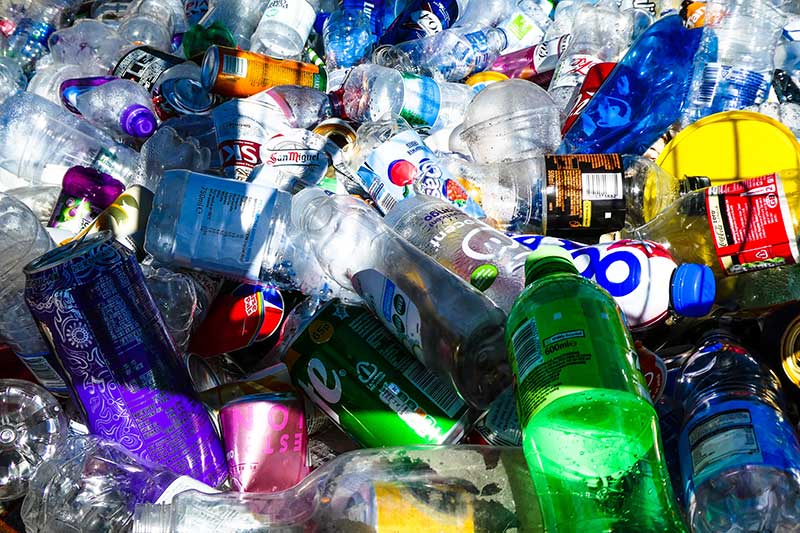
Plastic Recycling
Plastic recycling continues expanding as technology improves.
Facilities process products such as:
- Plastic bottles
- Containers
- Packaging
- Industrial film
- Buckets
- Pallets
Although recycling different plastic types presents unique challenges, advancements continue improving recovery rates.
Construction and Demolition Recycling
Construction projects generate significant amounts of recyclable material.
Rather than disposing of everything, contractors increasingly recycle:
- Concrete
- Asphalt
- Lumber
- Drywall
- Metal framing
- Roofing materials
Recovered materials often find new life in future construction projects.
Electronic Waste
Electronic devices contain valuable materials that should not simply be discarded.
Commercial recyclers safely process:
- Computers
- Servers
- Printers
- Televisions
- Monitors
- Networking equipment
Many electronic components contain recoverable metals while requiring careful environmental handling.
Food Waste Programs
Some commercial recycling companies now assist businesses with organic waste diversion.
Food scraps may become:
- Compost
- Soil amendments
- Renewable energy through anaerobic digestion
These programs reduce landfill methane while creating useful products.
Advanced Sorting Technology
Modern recycling facilities rely on sophisticated equipment.
Technology may include:
- Optical scanners
- Magnets
- Eddy current separators
- Air classifiers
- Conveyor systems
- Robotic sorting equipment
These systems dramatically improve material recovery while reducing contamination.
Transportation and Logistics
Commercial recycling depends upon efficient transportation.
Collection vehicles gather materials from:
- Office buildings
- Manufacturing plants
- Retail centers
- Schools
- Hospitals
- Distribution warehouses
Processed materials are then shipped to manufacturers for reuse.
Environmental Benefits
Commercial recycling provides substantial environmental advantages.
These include:
- Reduced landfill use
- Lower greenhouse gas emissions
- Conservation of natural resources
- Reduced mining
- Lower energy consumption
- Cleaner communities
Many recycled materials require significantly less energy to process than newly mined or harvested resources.
Supporting Manufacturers
Manufacturers rely heavily on recycled materials.
Recycled metals, paper, and plastics often become raw materials used to produce:
- Automobiles
- Appliances
- Beverage containers
- Building materials
- Consumer products
- Packaging
Without commercial recycling, manufacturing costs and resource consumption would increase significantly.
Regulatory Compliance
Businesses throughout California must comply with various waste diversion and recycling regulations.
Commercial recycling companies help customers:
- Develop recycling programs
- Meet reporting requirements
- Improve sustainability
- Reduce disposal costs
Their expertise helps businesses navigate increasingly complex environmental regulations.
Safety Is a Priority
Recycling facilities emphasize workplace safety through:
- Employee training
- Protective equipment
- Equipment maintenance
- Fire prevention
- Hazard identification
Safe operations protect both employees and surrounding communities.
Careers in Recycling
The recycling industry offers numerous career opportunities.
Examples include:
- Equipment operators
- Truck drivers
- Environmental specialists
- Sales representatives
- Logistics coordinators
- Plant managers
- Maintenance technicians
- Sustainability consultants
Many positions combine technical knowledge with environmental stewardship.
Technology Shapes the Future
Innovation continues transforming recycling.
Emerging developments include:
- Artificial intelligence sorting systems
- Robotics
- Improved material identification
- Data analytics
- Automated processing
- Enhanced recovery techniques
These technologies promise higher recovery rates and greater operational efficiency.
Supporting Sustainable Business
Many companies now view recycling as an important part of their corporate responsibility efforts.
Successful recycling programs can:
- Improve public image
- Lower disposal costs
- Support sustainability goals
- Demonstrate environmental leadership
Customers increasingly appreciate businesses that actively reduce waste.
Sun Valley’s Role
Sun Valley’s recycling businesses contribute significantly to both the local economy and environmental protection.
By processing enormous quantities of recyclable materials each year, these companies help manufacturers obtain valuable raw materials while reducing landfill use throughout Southern California.
Their work supports construction, manufacturing, transportation, and countless other industries.
Looking Ahead
As California continues emphasizing sustainability, commercial recycling will become even more important.
Growing demand for recycled materials, improved technology, and evolving environmental regulations will create new opportunities for recycling businesses to expand their services and recover even greater amounts of valuable resources.
Wrapping Up
Commercial recycling is one of the most important industries supporting both economic growth and environmental stewardship. By recovering metals, paper, plastics, electronics, and construction materials, recycling companies conserve natural resources while helping manufacturers reduce costs and minimize waste. For Jose Mier, the commercial recycling businesses operating in Sun Valley represent another example of the innovation and hard work that define the community’s industrial character. Their efforts help transform yesterday’s discarded materials into tomorrow’s valuable products, demonstrating that sustainability and economic success can work hand in hand. Whether serving manufacturers, contractors, retailers, or municipalities, Sun Valley’s recycling companies continue making an important contribution to Southern California’s economy and its environmental future.