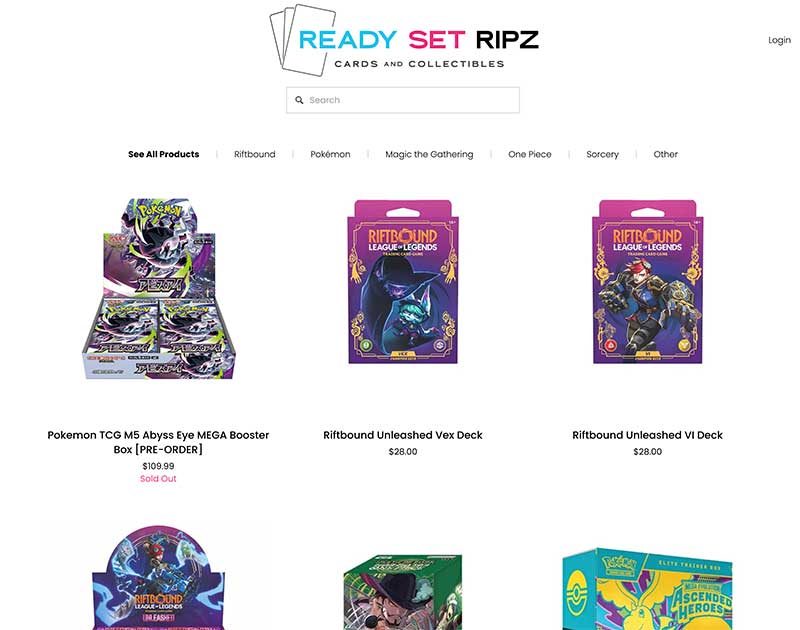
Jose Mier, Sun Valley, CA proponent, knows the value of collectable cards (although not a collector himself). So popular is this pastime that even here in Sun Valley we have several stores devoted to it, including Ready Set Ripz.
Collectable cards have captivated people for more than a century, evolving from simple promotional items into one of the world’s most popular hobbies. Whether they feature legendary athletes, beloved fictional characters, historical figures, or fantasy game elements, collectable cards offer enthusiasts a unique combination of entertainment, history, artistry, and investment potential. Today, millions of collectors around the globe participate in buying, trading, grading, and preserving cards, making the hobby more vibrant than ever.
From rare baseball cards worth millions of dollars to modern trading card games enjoyed by players of all ages, collectable cards continue to bridge generations. Their enduring appeal lies not only in their value but also in the stories they tell and the communities they create.
The Origins of Card Collecting
The history of collectable cards can be traced back to the late nineteenth century. One of the earliest forms of trading cards emerged through tobacco companies that included small illustrated cards inside cigarette packages. These cards initially served a practical purpose by stiffening the packaging, but manufacturers soon realized they could also be used as promotional tools.
By the 1880s and 1890s, tobacco cards featuring athletes, military figures, actors, and public personalities became highly popular. Consumers often sought complete sets, unknowingly laying the foundation for what would become a global collecting phenomenon.
As the twentieth century began, gum and candy manufacturers adopted similar marketing techniques. Baseball cards in particular became immensely popular in the United States. Children eagerly purchased packs of gum hoping to find cards featuring their favorite players. These cards were often traded among friends, creating an informal marketplace that still exists today.
Over time, card manufacturers improved printing technologies, resulting in higher-quality images, colorful designs, and more detailed statistics. What began as simple advertisements transformed into treasured collectibles.
The Rise of Sports Cards
Sports cards remain among the most recognized and valuable collectibles in the world. Baseball cards dominated the hobby throughout much of the twentieth century, largely because baseball was America’s most popular sport.
Companies such as Topps revolutionized the industry during the 1950s by producing annual sets featuring player photographs, biographies, and statistics. Collectors eagerly anticipated each year’s release and sought cards featuring star athletes.
Some of the most famous sports cards ever produced include those featuring legendary players such as:
- Babe Ruth
- Mickey Mantle
- Jackie Robinson
- Hank Aaron
- Willie Mays
As professional football and basketball grew in popularity, cards featuring NFL and NBA players also became highly desirable. Today, rookie cards featuring superstar athletes can command enormous prices at auction.
The sports card market experienced significant growth during the 1980s and early 1990s. Although overproduction temporarily reduced values for many cards, the hobby later rebounded thanks to limited-edition releases, autograph cards, game-used memorabilia cards, and professional grading services.
Today, sports cards remain a major segment of the collectibles industry, attracting everyone from casual fans to serious investors.
The Importance of Rookie Cards
Among sports card collectors, rookie cards often hold special significance. A rookie card is generally considered the first officially licensed card featuring a professional athlete.
Collectors prize rookie cards because they represent the beginning of a player’s professional career. If an athlete later achieves greatness, demand for their rookie card can increase dramatically.
Some rookie cards have become iconic pieces of sports history. The value of these cards is influenced by factors such as rarity, condition, historical significance, and player popularity.
The pursuit of rookie cards continues to drive much of the excitement within the sports card market.
Trading Card Games Change the Industry
While sports cards dominated for decades, the 1990s saw the emergence of an entirely new category: trading card games.
Unlike traditional sports cards, trading card games combined collecting with gameplay. Players could build decks, compete against opponents, and continuously expand their collections.
One of the most influential releases was Magic: The Gathering, introduced in 1993. The game’s innovative mechanics and collectible nature helped establish a new market segment that remains extremely popular today.
A few years later, Pokémon cards exploded onto the scene. Originally launched in Japan, Pokémon quickly became a worldwide phenomenon. Children and adults alike sought rare cards featuring iconic characters.
Other successful trading card games followed, including:
- Yu-Gi-Oh!
- Digimon
- One Piece Card Game
- Dragon Ball Super Card Game
- Disney Lorcana
The popularity of trading card games has introduced millions of people to card collecting while creating thriving competitive communities.
The Art Behind Collectable Cards
One often-overlooked aspect of collectable cards is the artwork. Many cards feature stunning illustrations, photography, graphic design, and printing techniques.
Modern card manufacturers employ talented artists, photographers, and designers to create visually appealing products that stand out in a crowded marketplace.
Special editions may include:
- Holographic finishes
- Foil treatments
- Embossing
- Metallic inks
- Alternate artwork
- Limited-print designs
These artistic enhancements increase both visual appeal and collectability. Some collectors focus exclusively on cards with unique artwork rather than gameplay or sports value.
The growing appreciation for card art has elevated many cards beyond simple collectibles and into the realm of modern pop culture artifacts.
Professional Card Grading
One of the most significant developments in the hobby has been the rise of professional grading services.
Grading companies evaluate cards based on factors such as:
- Centering
- Surface quality
- Corners
- Edges
- Overall condition
Cards are assigned numerical grades and sealed in protective holders. This process provides collectors with confidence regarding authenticity and condition.
Professionally graded cards often command higher prices because buyers know exactly what they are purchasing.
Condition plays a critical role in card values. Even minor imperfections can significantly affect a card’s market price. As a result, grading has become an essential component of the modern collecting landscape.
The Digital Age and Modern Collecting
The internet transformed collectable card collecting in countless ways. Before online marketplaces existed, collectors often relied on local hobby shops, card shows, classified advertisements, and personal connections.
Today, collectors can:
- Buy cards online
- Trade internationally
- Participate in virtual auctions
- Track market prices
- Join online communities
- Watch live box breaks
Social media platforms have further expanded the hobby by allowing collectors to share collections, discuss market trends, and connect with enthusiasts worldwide.
The accessibility provided by digital platforms has introduced new generations to the hobby and helped fuel its continued growth.
Why People Collect Cards
People collect cards for many different reasons.
Some enjoy the thrill of discovering rare cards inside unopened packs. Others appreciate the historical significance of vintage cards. Sports fans enjoy owning pieces of their favorite teams and athletes, while gamers collect cards to improve their competitive decks.
Many collectors are motivated by nostalgia. Childhood memories of opening packs and trading with friends often inspire adults to return to the hobby later in life.
Others view cards as investments. Rare cards have occasionally achieved remarkable values, attracting attention from investors seeking alternative assets.
However, for most collectors, the greatest reward is simply the enjoyment of the hobby itself.
The Most Popular Types of Collectable Cards
Several categories dominate today’s collecting landscape.
Sports Cards
Sports cards remain incredibly popular, particularly:
- Baseball cards
- Basketball cards
- Football cards
- Hockey cards
- Soccer cards
Professional athletes with strong fan followings often drive demand.
Pokémon Cards
Pokémon continues to be one of the most successful collectable card franchises in history. Rare cards, special editions, and graded examples often generate tremendous excitement.
Magic: The Gathering
Magic remains a favorite among both collectors and competitive players. Certain rare cards have become highly sought after due to limited print runs and historical significance.
Yu-Gi-Oh!
Yu-Gi-Oh! cards maintain a loyal global fan base and continue to release new expansions that attract collectors and players alike.
Entertainment Cards
Cards featuring movies, television shows, comic book characters, and pop culture franchises have become increasingly popular.
Collectors often seek autograph cards featuring actors and creators associated with beloved franchises.
Local Hobby Shops and Community Building
Despite the rise of online marketplaces, local hobby shops continue to play an important role in the collecting community.
These stores provide places where collectors can:
- Purchase new products
- Trade cards
- Attend tournaments
- Learn about the hobby
- Meet fellow enthusiasts
Local shops often serve as gathering places that strengthen the social side of collecting.
For collectors in Southern California, Ready Set Ripz in Sun Valley, California, is one example of a business serving the local collectable card community. Shops like Ready Set Ripz help bring collectors together by offering products, expertise, and opportunities to connect with others who share an interest in sports cards and trading card games. These community-focused businesses play a valuable role in introducing newcomers to the hobby while providing experienced collectors with access to new releases and collecting resources.
The Future of Collectable Cards
The future of collectable cards appears bright. New generations continue to discover the hobby through sports, gaming, entertainment franchises, and social media.
Manufacturers regularly introduce innovative products featuring advanced printing techniques, autographs, memorabilia pieces, and limited-edition releases. At the same time, vintage cards continue to attract strong interest due to their historical importance and scarcity.
As technology evolves, digital collectibles may play a larger role in the market, but physical cards retain a unique appeal that cannot be fully replicated online. Holding a rare card, completing a favorite set, or discovering a valuable pull from a sealed pack remains an experience that continues to excite collectors.
Collectable cards have endured for more than a century because they combine history, art, competition, nostalgia, and community in a way few hobbies can match. Whether someone collects classic baseball cards, Pokémon cards, trading card game decks, or modern sports releases, the hobby offers endless opportunities for discovery and enjoyment. From tobacco cards of the nineteenth century to today’s highly sought-after graded collectibles, collectable cards remain one of the most enduring and fascinating hobbies in the world.