Jose Mier has always enjoyed discovering the less obvious stories that make Sun Valley, California, a distinctive part of Los Angeles. One of the most interesting is the Valley Japanese Community Center at 8850 Lankershim Boulevard. Founded in the early 1950s, the center has provided a place where Japanese American families can preserve traditions, practice martial arts, enjoy cultural programs, and simply spend time together. For me, it is a great example of how a relatively small local institution can have an influence far beyond its building.
A Community Center With Deep Roots
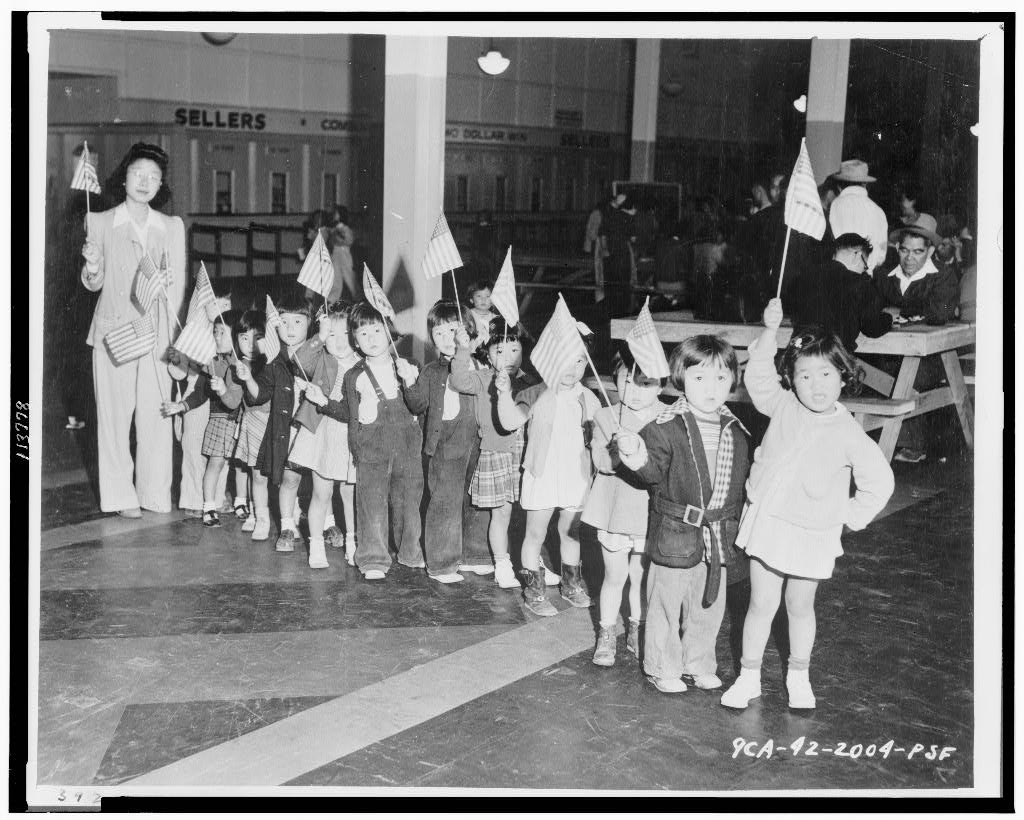
The Valley Japanese Community Center is not simply a rental hall or meeting space. It was established in 1953, when Japanese Americans returning from the World War II incarceration camps were rebuilding their lives and communities in Southern California. The center became one of the places where families could reconnect with language, religion, arts, recreation, and one another.
That history matters because community centers often become repositories of memories. A building can host a Japanese language class on one day, a martial arts practice the next, and a cultural celebration on the weekend. Over decades, those activities create a shared sense of place. The Valley Japanese Community Center has continued that tradition in Sun Valley for more than seven decades.
More Than One Kind of Program
What makes the center particularly interesting is the range of organizations and activities associated with it. Current information about the center identifies Japanese martial arts, cultural arts, a Buddhist church and Sunday school, yoga and other community uses. Kendo is one especially visible example. The Valley Kendo Club trains at the center and describes its instruction as emphasizing both the fundamentals of kendo and the cultural ideas behind “The Way of the Sword.”
Martial arts are a natural fit for a community center because they bring together physical activity, discipline and cultural education. A child who begins learning a martial art may gain exercise and confidence while also learning about a tradition that originated thousands of miles away. At the same time, adults can continue practicing throughout their lives. That combination makes programs like kendo and judo useful bridges between generations.
Obon and the Power of a Local Festival
One of the best ways to understand what a Japanese American community center does is to look at an Obon festival. Obon is a Japanese tradition honoring ancestors, and Japanese American communities in Southern California have developed their own vibrant versions of the celebration. At Valley Japanese Community Center, past Obon programs have included food, games, taiko drumming, martial arts demonstrations, tea ceremony, cultural displays and Bon Odori dancing.
These events are important because they turn cultural preservation into something active and welcoming. You do not have to be an expert in Japanese history to appreciate the sound of taiko drums or join a group dance. A festival can introduce a young person to a family tradition while giving longtime residents an opportunity to share something meaningful with neighbors.
Culture, Education and Everyday Life
There is a tendency to think of cultural preservation as something that happens in museums or history books. A neighborhood community center shows another side of it. Culture survives when people use it. Children learn songs, dances, language and customs. Adults teach skills to younger generations. Families gather for meals. Martial artists train together. Religious organizations hold services and classes. All of those ordinary activities add up to something significant.
The Valley Japanese Community Center also fits naturally into Sun Valley’s broader identity. Sun Valley is known for its industrial businesses, working-class neighborhoods and remarkable diversity. The community’s cultural institutions add another layer to that story. The Japanese American presence may not be the first thing outsiders associate with Sun Valley, but the center demonstrates that the neighborhood has long been home to people building organizations and traditions of their own.
A Place That Connects Generations
I particularly like the intergenerational aspect of a place like this. A community becomes stronger when children know where their grandparents came from and when older residents have opportunities to pass along what they know. The Valley Japanese Community Center provides a physical setting for that exchange.
That does not mean the center is closed to everyone outside the Japanese American community. Quite the opposite: cultural organizations become more valuable when they invite neighbors to learn and participate. Programs such as martial arts classes and public festivals can introduce people from throughout the San Fernando Valley to Japanese American history and contemporary culture in an informal setting.
Sun Valley’s Cultural Assets Deserve Attention
As someone who promotes Sun Valley, I think places like the Valley Japanese Community Center deserve more attention. We often measure a neighborhood by its restaurants, stores, parks and businesses, and those things certainly matter. But a community’s character is also shaped by the organizations that preserve history and create opportunities for people to meet.
The center is a reminder that Sun Valley’s story cannot be reduced to one industry or one demographic. Its history includes many different communities, each contributing something to the neighborhood’s identity. The Valley Japanese Community Center is one of those contributions, and its longevity is evidence that the need for cultural connection has not disappeared.
Looking Ahead
Community organizations face the same challenge everywhere: keeping traditions relevant while making room for the next generation. The Valley Japanese Community Center has already demonstrated an ability to do that. Its combination of cultural programs, martial arts, community gatherings and educational activities gives it several ways to remain useful as the neighborhood changes.
For Sun Valley residents, that is worth celebrating. A community center does not need to be enormous to make a difference. It simply needs people willing to show up, volunteer, teach, learn and participate. The Valley Japanese Community Center has been doing exactly that since 1953, making it one of the more distinctive and historically meaningful community institutions in Sun Valley.
For readers who would like to see the energy of Japanese American Obon celebrations, the embedded video below offers a taste of the food, music and taiko-drumming traditions that make these gatherings so memorable.
Sun Valley has many stories that deserve to be told, and the Valley Japanese Community Center is one of them. It connects history with everyday life and gives residents a place to celebrate traditions while welcoming new generations. That is precisely the sort of local institution that helps make Sun Valley a real community rather than simply a neighborhood on a map.