Jose Mier discusses the advantages of air purifiers for home or business.
Air purifiers have become an increasingly important part of modern indoor living, especially as awareness grows about air quality and its impact on health. At their core, air purifiers are devices designed to remove contaminants from the air, including dust, pollen, pet dander, smoke, and even microscopic pollutants that are invisible to the naked eye. Many of the most effective models rely on High-Efficiency Particulate Air (HEPA) filtration, a technology capable of capturing at least 99.97% of airborne particles as small as 0.3 microns. This level of filtration is significant because it targets the types of particles most likely to trigger allergies, asthma, and other respiratory issues, making air purifiers not just a convenience but, for many people, a health necessity.
The growing popularity of air purifiers can be attributed in part to the fact that indoor air is often more polluted than people realize. Homes and workplaces can contain a surprising mix of airborne contaminants, including dust, mold spores, chemical fumes, and bacteria. These pollutants accumulate from everyday activities such as cooking, cleaning, and even simply opening windows in areas with outdoor pollution. Air purifiers work by drawing in this contaminated air, passing it through a series of filters, and then releasing cleaner air back into the environment. This continuous cycle gradually reduces the concentration of harmful particles, leading to a healthier and more comfortable indoor space.
One of the most important benefits of air purifiers is their ability to improve respiratory health. For individuals who suffer from allergies, asthma, or other breathing conditions, airborne irritants can cause significant discomfort and even serious health complications. HEPA-based air purifiers are particularly effective at removing allergens such as pollen, dust mites, and pet dander, which are common triggers for allergic reactions. By reducing exposure to these particles, air purifiers can help alleviate symptoms like sneezing, coughing, and congestion, allowing people to breathe more easily and sleep more comfortably.
In addition to allergens, air purifiers can also help remove harmful particles such as smoke and fine dust. This is especially important in urban environments or areas affected by wildfires, where air quality can fluctuate dramatically. Fine particulate matter, often referred to as PM2.5, is small enough to penetrate deep into the lungs and even enter the bloodstream, posing serious health risks. Air purifiers equipped with high-quality filters can capture these particles, reducing their presence indoors and helping to protect occupants from long-term health effects.
Another key advantage of air purifiers is their ability to reduce odors and chemical pollutants. While HEPA filters are primarily designed to capture particles, many air purifiers also include activated carbon filters that absorb odors and volatile organic compounds (VOCs). These compounds can be released from household products such as paints, cleaning agents, and furniture, and prolonged exposure may have negative health effects. By removing both particles and gases, air purifiers contribute to a fresher and more pleasant indoor environment.
The effectiveness of an air purifier, however, depends on several factors, including the type of filter, the size of the unit, and how it is used. For example, choosing a purifier with a Clean Air Delivery Rate (CADR) for the size of the room ensures that it can circulate and clean the air efficiently. Proper placement is also important; placing the unit in a central location or in frequently used areas such as bedrooms and living rooms can maximize its impact. Regular maintenance, including replacing filters as recommended by the manufacturer, is essential to keep the device functioning at peak performance.
Beyond their practical benefits, air purifiers also contribute to overall well-being in more subtle ways. Clean air can improve concentration, reduce fatigue, and create a more comfortable living or working environment. In spaces where people spend long hours indoors—such as offices, schools, and homes—these improvements can have a meaningful impact on productivity and quality of life. As people become more conscious of their indoor environments, air purifiers are increasingly seen as an investment in both health and comfort.
The market for air purifiers has expanded significantly in recent years, with a wide range of models available to suit different needs and budgets. From compact units designed for small rooms to larger systems capable of purifying entire homes, there is an option for nearly every situation. Advances in technology have also led to the development of smart air purifiers that can monitor air quality in real time and adjust their settings automatically. These features make it easier than ever for users to maintain clean air without constant manual adjustments.
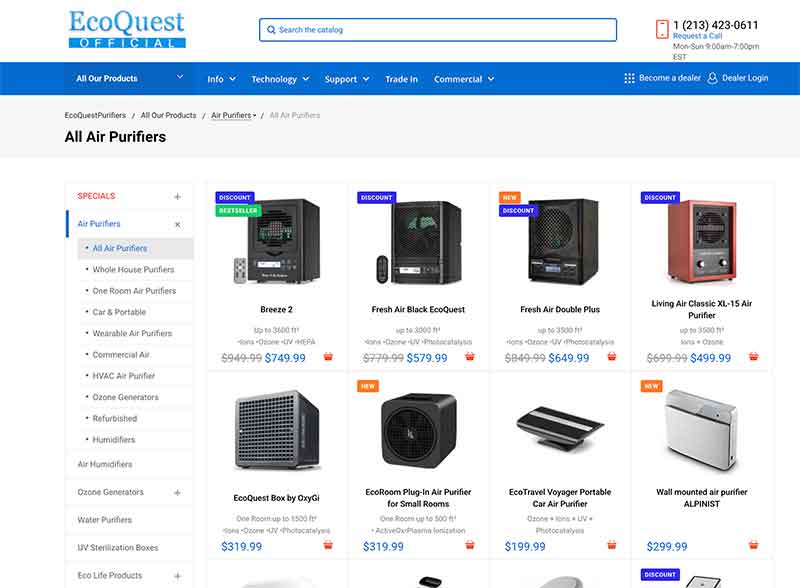
In local communities, businesses specializing in air quality solutions play an important role in helping customers choose the right products and systems. One such example is EcoQuest, a company known for offering air purification solutions tailored to residential and commercial needs. Companies like EcoQuest provide not only equipment but also expertise, helping clients understand their specific air quality challenges and select the most effective solutions. This personalized approach can be especially valuable in areas like Southern California, where factors such as traffic pollution, seasonal allergens, and wildfire smoke can all impact indoor air quality.
Another reason air purifiers have gained popularity is the increased awareness of airborne pathogens. While no air purifier can completely eliminate the risk of illness, many are capable of capturing bacteria and some viruses from the air, contributing to a cleaner environment. This has made them a common addition to homes, healthcare settings, and workplaces, particularly during times when people are more concerned about the spread of illness.
It is also worth noting that air purifiers are most effective when used as part of a broader approach to indoor air quality. Simple practices such as regular cleaning, proper ventilation, and reducing sources of pollution can enhance the effectiveness of an air purifier. For example, vacuuming carpets, using exhaust fans while cooking, and avoiding the use of harsh chemical cleaners can all help reduce the overall pollutant load in a space. When combined with an air purifier, these measures create a comprehensive strategy for maintaining clean air.
Energy efficiency and noise levels are additional considerations that influence consumer choices. Modern air purifiers are designed to operate quietly, making them suitable for use in bedrooms and other quiet spaces. Many models also include energy-saving features, allowing them to run continuously without significantly increasing electricity costs. These improvements have made air purifiers more practical for everyday use, further contributing to their widespread adoption.
The future of air purification technology looks promising, with ongoing research and innovation aimed at improving efficiency and expanding capabilities. New filtration materials, enhanced sensor technologies, and integration with smart home systems are just a few of the developments shaping the next generation of air purifiers. As these advancements continue, air purifiers are likely to become even more effective and accessible, reinforcing their role as an essential component of modern living.
In conclusion, air purifiers have evolved from niche devices into mainstream household essentials, driven by a growing understanding of the importance of indoor air quality. Their ability to remove allergens, pollutants, and odors makes them a valuable tool for improving health and comfort, while advances in technology have made them more efficient and user-friendly than ever before. Whether used to manage allergies, combat pollution, or simply create a cleaner living environment, air purifiers offer a practical solution to a problem that affects everyone. With companies like EcoQuest providing access to these technologies and helping guide consumers, it’s clear that cleaner indoor air is not just a luxury—it’s an achievable goal for homes and businesses alike.