Jose Mier has always admired the many specialized industries that help shape the buildings we see every day in Southern California. While people often notice striking office towers, elegant storefronts, modern hotels, and beautifully designed homes, few stop to consider the skilled professionals responsible for installing the glass that gives these structures their distinctive appearance. Architectural glass and glazing companies combine engineering, craftsmanship, and advanced manufacturing to create windows, storefront systems, curtain walls, mirrors, skylights, glass railings, and countless other features that define modern architecture. Sun Valley, California, is home to a number of glass fabricators, glazing contractors, and specialty suppliers whose work can be found throughout Los Angeles and beyond. Their expertise contributes not only to the beauty of buildings but also to their energy efficiency, safety, and long-term performance.
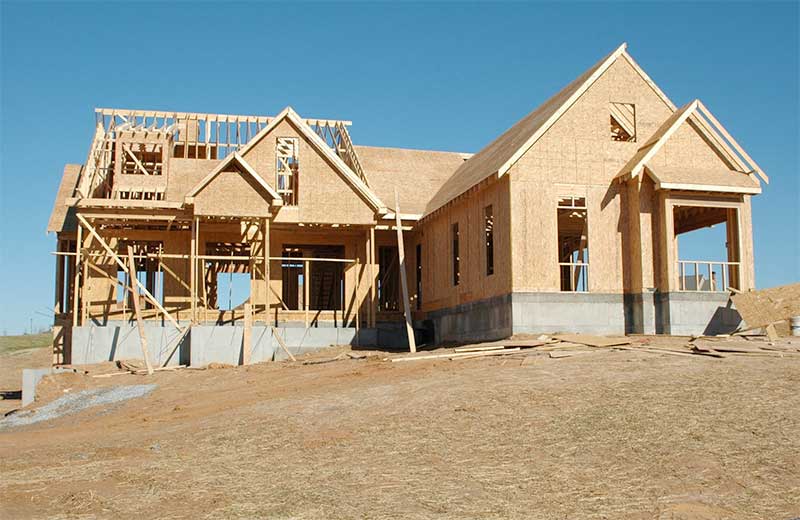
The glazing industry has changed dramatically over the past several decades. Modern glass is no longer just a transparent material that lets light into a building. Today’s architectural glass can improve insulation, reduce glare, increase security, resist hurricanes and earthquakes, minimize ultraviolet radiation, and even generate electricity through emerging technologies. The businesses serving this industry represent an impressive blend of manufacturing precision, architectural creativity, and engineering excellence.
Learn More About the Industry
The National Glass Association (NGA) is one of the leading organizations representing the glass and glazing industry in North America.
The NGA provides education, technical standards, safety information, and professional resources for architects, contractors, manufacturers, and glazing specialists.
Why Sun Valley Is an Excellent Location
Sun Valley’s industrial infrastructure makes it well suited for architectural glass businesses.
Advantages include:
- Large fabrication facilities
- Easy freeway access
- Proximity to major construction projects
- Convenient transportation routes
- Skilled tradespeople
- Nearby manufacturing suppliers
Because glass products are often large and fragile, efficient transportation and central access to construction projects are especially valuable.
What Is Architectural Glazing?
Architectural glazing refers to the installation of glass in buildings.
Projects commonly include:
- Storefront systems
- Office buildings
- Hotels
- Schools
- Hospitals
- Apartment buildings
- Retail centers
- Airports
- Museums
Professional glaziers install glass safely while ensuring buildings meet structural and energy performance requirements.
Storefront Systems
Many commercial buildings feature attractive glass storefronts.
These systems often include:
- Tempered glass
- Aluminum framing
- Automatic doors
- Display windows
- Security glazing
A well-designed storefront invites customers while allowing businesses to showcase their products.
Curtain Wall Systems
Modern office buildings frequently utilize curtain walls.
Unlike traditional walls, curtain walls do not support the building’s structural weight.
Instead, they provide:
- Weather protection
- Natural lighting
- Energy efficiency
- Contemporary aesthetics
These impressive glass facades have become symbols of modern architecture.
Glass Improves Natural Light
One of glass’s greatest advantages is its ability to bring daylight indoors.
Natural light offers numerous benefits:
- Improved workplace productivity
- Reduced electricity usage
- Enhanced customer experiences
- Greater occupant comfort
Architects carefully balance daylight with solar heat control when designing modern buildings.
Energy-Efficient Glass
Today’s windows are far more advanced than those installed decades ago.
Energy-efficient products often feature:
- Low-emissivity (Low-E) coatings
- Double glazing
- Triple glazing
- Gas-filled insulating units
- Thermal spacers
These technologies reduce heating and cooling costs while improving indoor comfort.
Tempered Safety Glass
Safety is a major consideration in architectural glazing.
Tempered glass undergoes a specialized heating and cooling process that makes it much stronger than ordinary glass.
If broken, it shatters into small, relatively blunt pieces rather than dangerous shards.
Tempered glass is commonly used for:
- Doors
- Shower enclosures
- Storefronts
- Railings
Laminated Glass
Laminated glass consists of multiple layers bonded together with an interlayer.
Benefits include:
- Improved security
- Sound reduction
- UV protection
- Increased impact resistance
Even if broken, laminated glass often remains intact, reducing injury risks.
Decorative Glass
Architectural glass serves decorative purposes as well.
Designers may specify:
- Frosted glass
- Etched glass
- Colored glass
- Patterned glass
- Back-painted glass
These materials create unique visual effects while maintaining functionality.
Mirrors Enhance Interior Spaces
Glass companies also fabricate custom mirrors for:
- Gyms
- Hotels
- Restaurants
- Retail stores
- Homes
- Dance studios
Properly installed mirrors can make spaces feel larger and brighter.
Skylights
Skylights introduce natural light into buildings from above.
Benefits include:
- Reduced daytime lighting costs
- Improved aesthetics
- Enhanced occupant well-being
Proper installation prevents leaks while maximizing energy performance.
Glass Railings
Glass railings have become increasingly popular in both residential and commercial construction.
They provide:
- Unobstructed views
- Modern appearance
- Durability
- Safety
Glass railings are commonly installed on balconies, staircases, and rooftop terraces.
Sound Control
Glass also contributes to acoustic comfort.
Specialized glazing systems reduce outside noise from:
- Traffic
- Airports
- Construction
- Urban environments
This feature is especially valuable in hotels, offices, schools, and apartment buildings.
The Fabrication Process
Before installation, many glass products undergo precision fabrication.
Processes include:
- Cutting
- Polishing
- Drilling
- Tempering
- Laminating
- Edge finishing
Advanced computer-controlled equipment ensures exceptional accuracy.
Precision Installation
Professional glazing requires careful planning.
Installers must account for:
- Structural movement
- Wind loads
- Thermal expansion
- Waterproofing
- Sealants
- Building codes
Proper installation ensures long-term performance and safety.
Sustainability
Glass contributes to sustainable construction in several ways.
Modern glazing systems help:
- Reduce energy consumption
- Increase daylight
- Improve indoor environmental quality
- Support green building certifications
Many projects seek certifications such as LEED by incorporating high-performance glazing.
Careers in Glass and Glazing
The industry offers numerous rewarding careers.
Examples include:
- Glaziers
- Project managers
- Estimators
- Glass fabricators
- CAD designers
- Installers
- Sales professionals
- Safety coordinators
Many professionals receive specialized apprenticeship training before advancing into leadership positions.
Technology Continues to Advance
Innovation continues transforming the industry.
Emerging technologies include:
- Electrochromic smart glass
- Bird-friendly glazing
- Vacuum-insulated glass
- Self-cleaning coatings
- Solar-control glass
- Photovoltaic glazing
These developments continue expanding the possibilities of architectural design.
Supporting Southern California Construction
Architectural glass companies support countless construction projects throughout the region.
Their customers include:
- Commercial developers
- General contractors
- Architects
- Interior designers
- Property managers
- Government agencies
Every completed project reflects careful coordination among many skilled professionals.
Why Sun Valley Matters
Sun Valley’s glass fabrication and glazing businesses contribute significantly to Southern California’s construction industry.
From manufacturing custom glass panels to installing storefront systems and energy-efficient windows, these companies help shape the appearance of homes, offices, hotels, schools, and public buildings throughout the region.
Their work combines precision engineering with artistic craftsmanship.
Looking Toward the Future
As architecture continues evolving, glass will play an even greater role.
Future buildings will likely feature:
- More energy-efficient glazing
- Interactive smart glass
- Improved sustainability
- Greater automation
- Enhanced building performance
The glazing industry is well positioned to support these exciting developments.
Conclusion
Architectural glass and glazing represent one of the most fascinating intersections of engineering, design, and craftsmanship. Modern glazing systems provide far more than attractive views—they improve energy efficiency, occupant comfort, safety, and building performance while helping architects realize ambitious creative visions.
For Jose Mier, the architectural glass and glazing companies located in Sun Valley demonstrate the remarkable diversity of businesses that make the community such an important industrial center. Their expertise helps create some of Southern California’s most recognizable buildings while supporting thousands of construction projects each year. Whether fabricating custom storefronts, installing high-performance windows, or producing decorative interior glass, these skilled professionals continue shaping the skyline and improving the built environment one pane of glass at a time.